
 Daniel Ela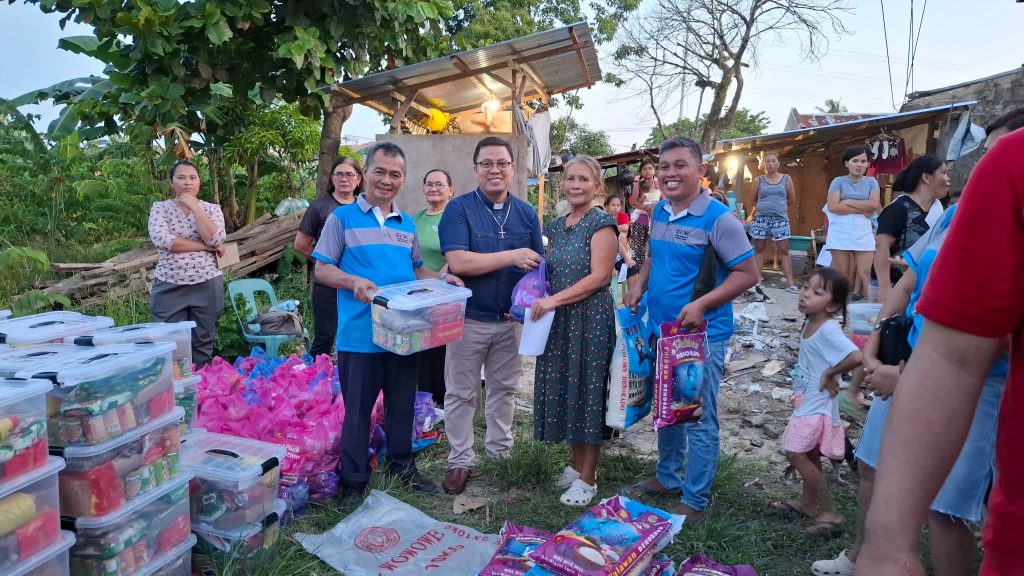
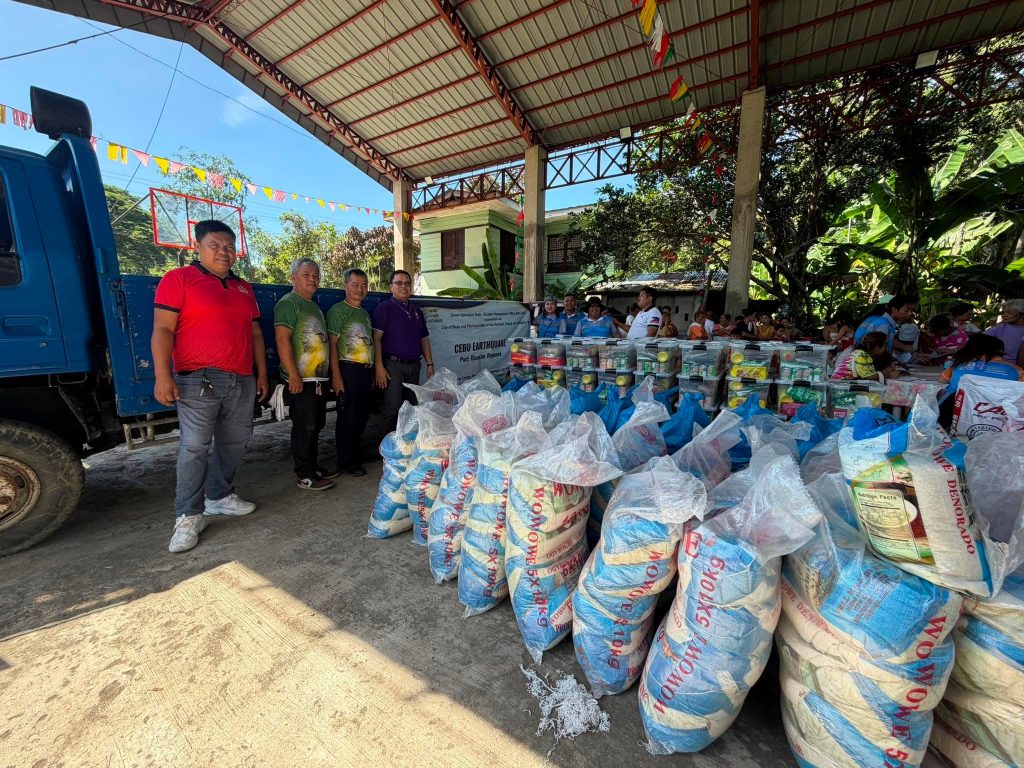
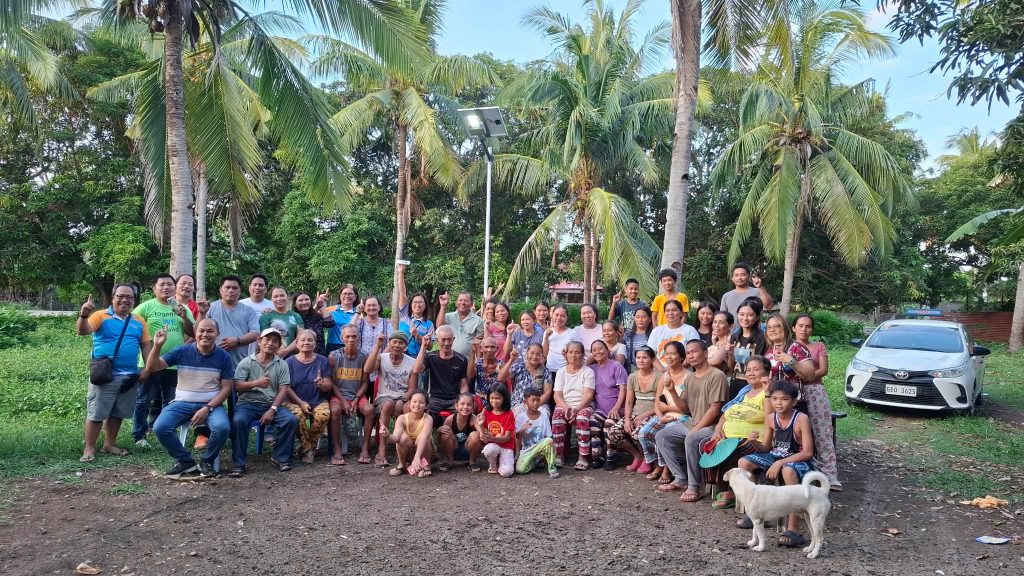
Seven communities in 5 municipalities and 1 city. 625 families (or over 3,100 individuals, including women and children). Nearly 400 kms in 4 days. Between 10-20 volunteers, mainly with the Eastern Visayas District DRRM Team, brought much-needed food and WASH items to underserved communities impacted by the Bogo Earthquake and Typhoon Tino. The assistance also included small mitigation interventions in the form of solar light installations (24 streetlights, a flood lamp for a communal well, and 3 tube lights) serving 5 communities across 4 municipalities and 1 city, and community WASH support (220L PE drums with cover) for 75 families in 2 communities that get their supply of domestic water only twice a week.
The four-day community interventions were graced by DEA Resident Bishop Israel M. Painit and Romuel “Dojoe” Flores (UMCOR IDR Consultant), with Engr. Riedo Panaligan and Chris Erezo (Executive Director and field staff, respectively, of the Center for Renewable Energy and Sustainable Technologies or CREST) facilitating the solar light installations. During his inspirational messages, Bishop “Ace” encouraged communities to continue to believe and trust in God’s unending mercy and grace. He highlighted the fact that even if the team, much more the people who support UMCOR that sent the assistance for the interventions, do not know any of the beneficiaries, significant and quality assistance still arrived for their communities. “The main motivation that drives the entire team, including those who support UMCOR, is the belief and commitment to share God’s love with those who are in need and to save lives.” Bishop Painit added.
Prior to the actual installation of solar light facilities Engr. Panganiban, Mr. Flores, and Dan Ela (DEA DMC) conducted ocular visits to the communities that received the interventions in May this year. Bishop Painit, DS Rev. Max Maregmen of the EVD, Ptr Betty Grace Maningo of Ormoc, and Miss Janice Montero, Lay Leader of FUMC Cebu, led separate dedication ceremonies of the said renewable energy facilities. A common theme during the dedications were the significance of bringing light to dark places and that darkness never overcomes the light. For the humanitarian sector, providing light is not just about dark places. It likewise highlights the importance of protection and safeguarding principles in designing and implementing community interventions. Providing proper lighting improves safety and security, and helps prevent sexual exploitation, abuse, and harassment, especially of children and women.
 EVD DMO



0 Comments